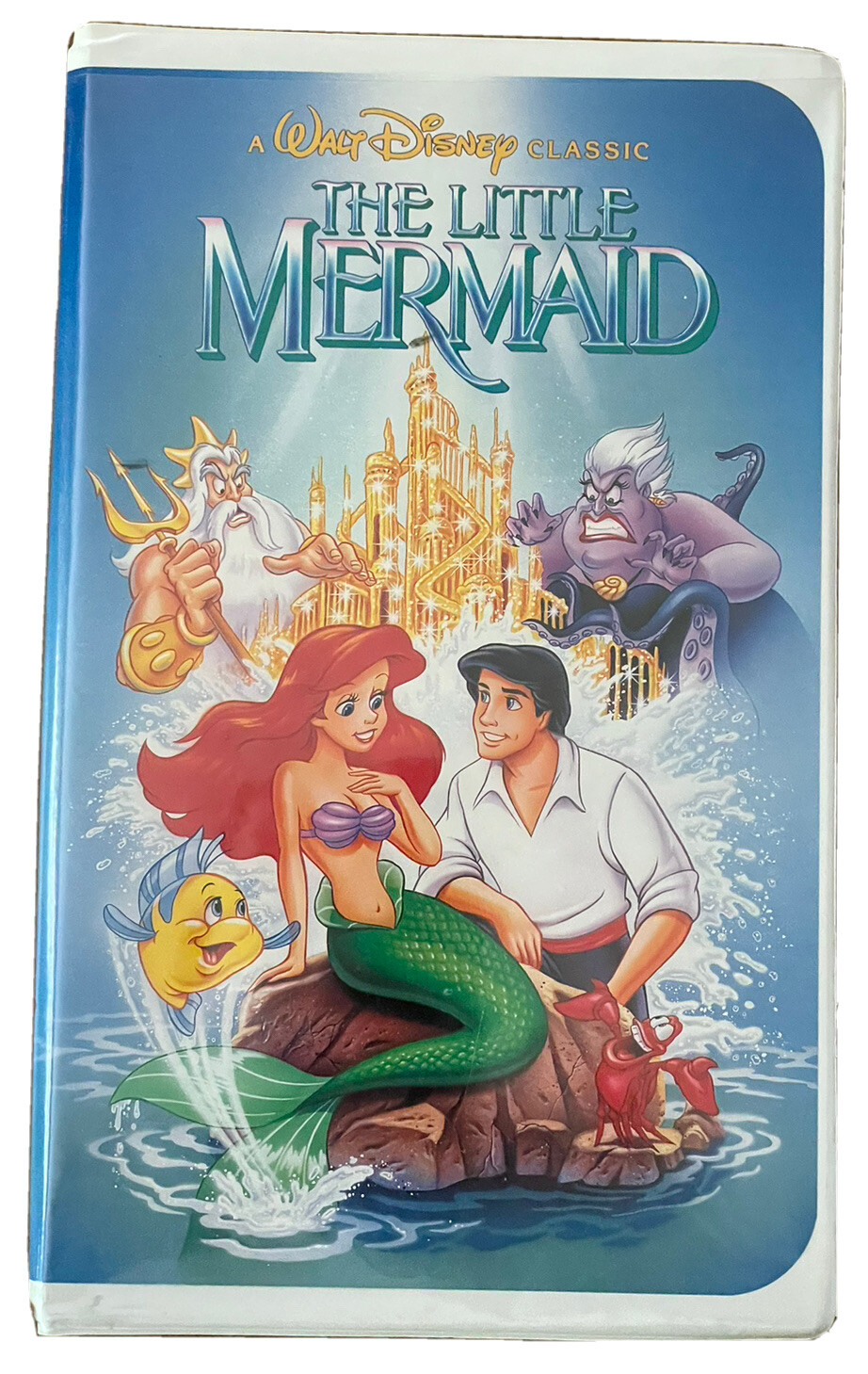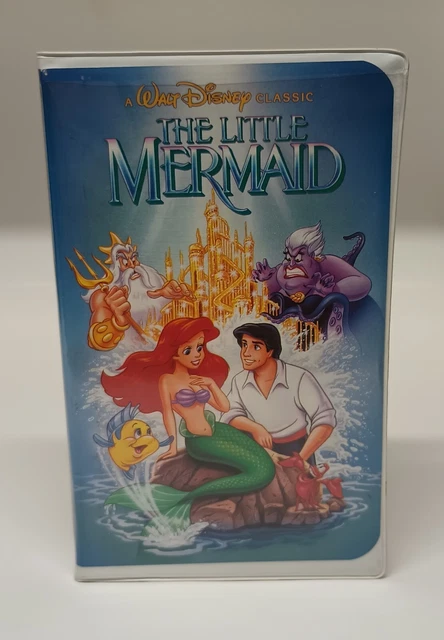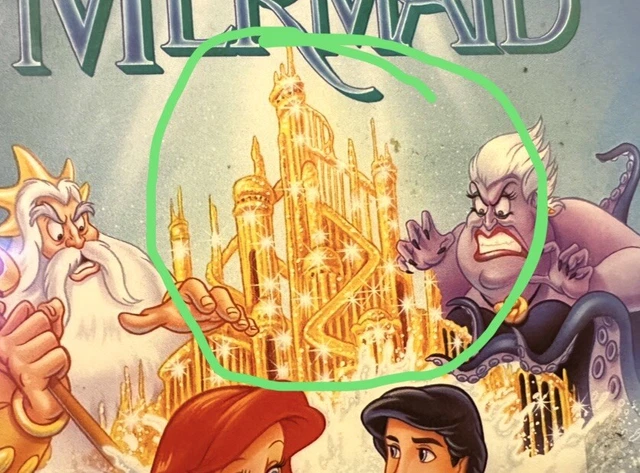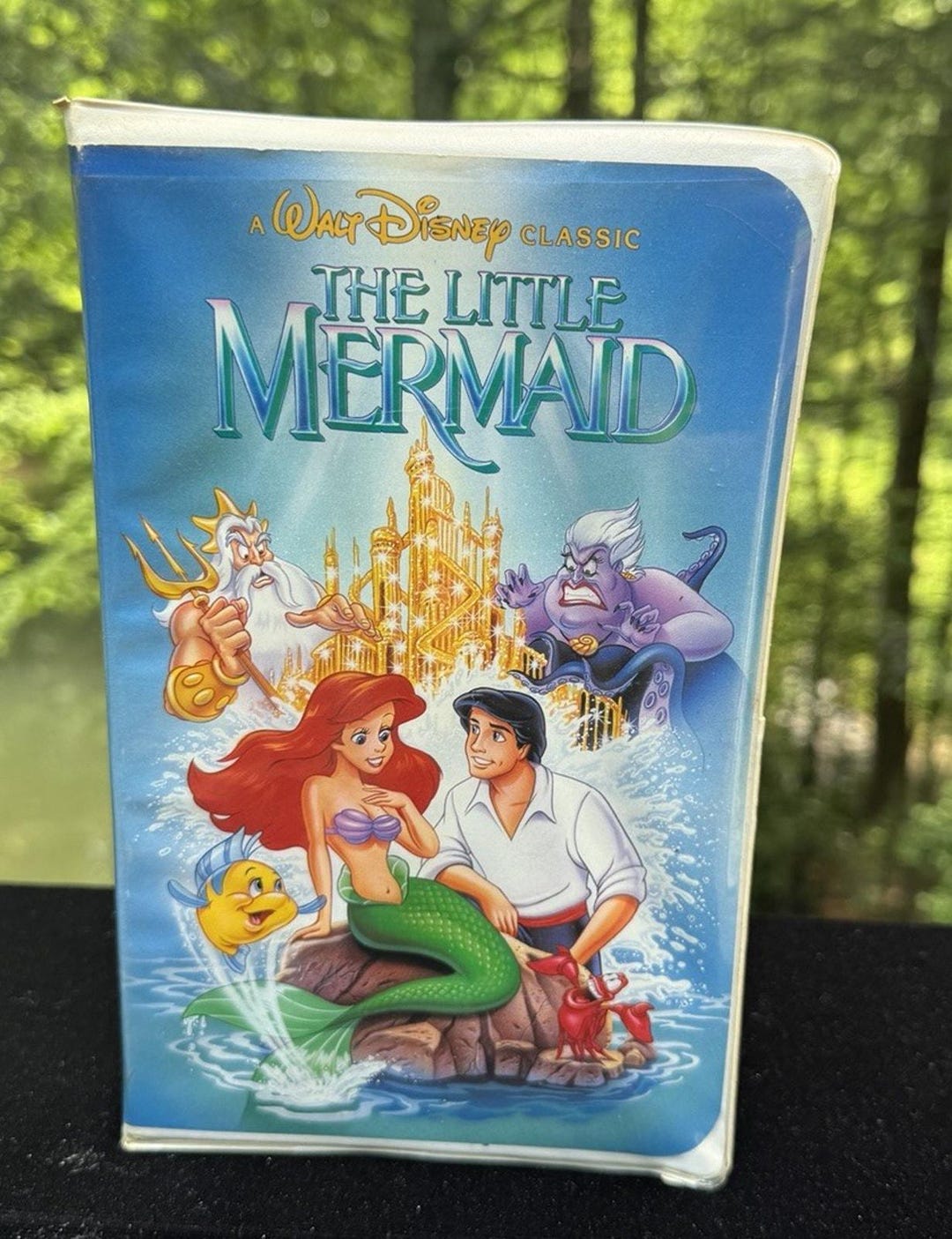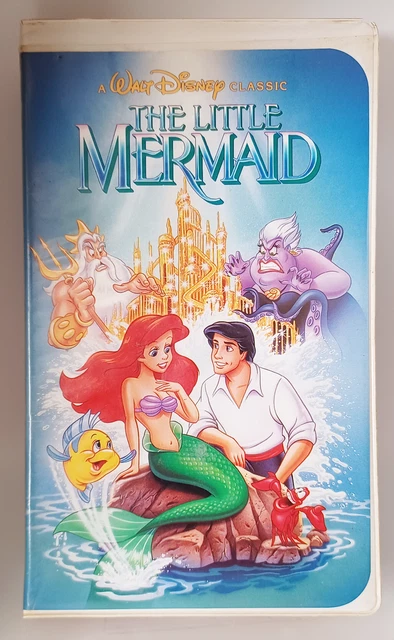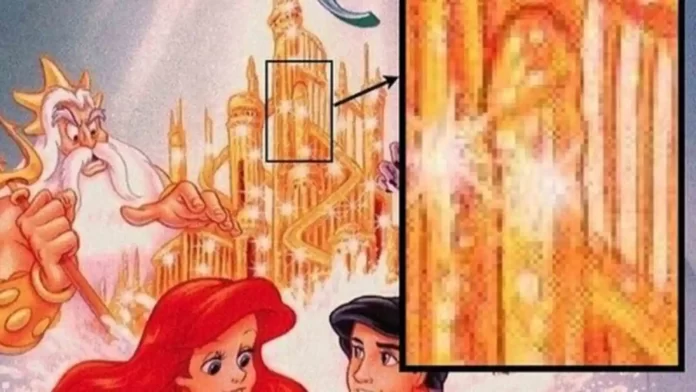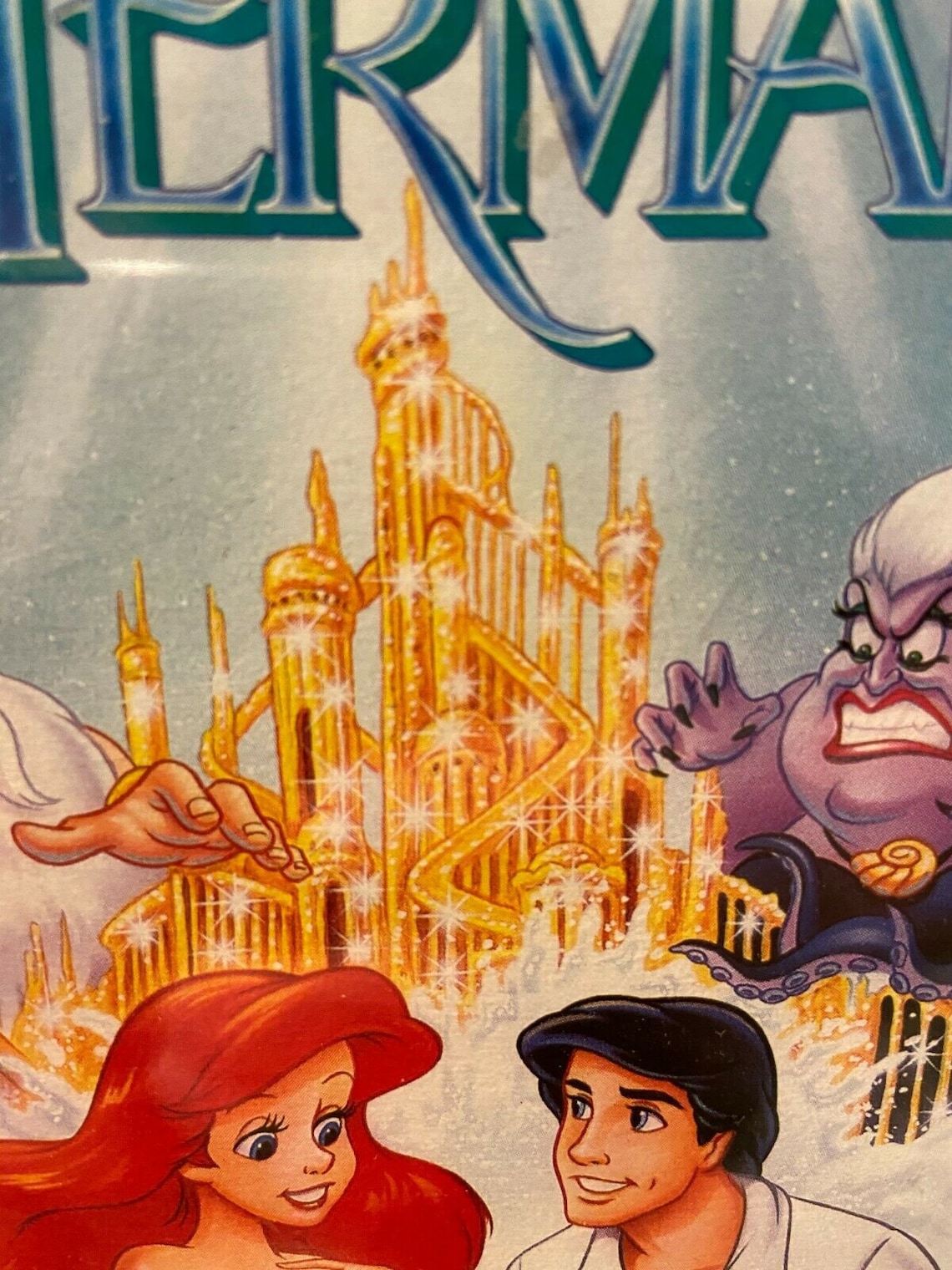
The controversy over "The Little Mermaid" VHS cover arose from a castle spire that unintentionally resembled a phallus,
Background of the Controversy
The original VHS release of Disney's The Little Mermaid in 1990 featured cover art depicting King Triton's undersea castle. Observers noticed that one of the castle's spires appeared phallic, sparking public concern and media attention
. The artwork was created under tight deadlines, and the resemblance was unintentional, not a deliberate act of defiance or hidden adult humor
Artists and Production
The cover art was produced by illustrator Bill Morris, who was rushed to complete the artwork for the VHS release
. Animator Ron Dias was also cited in some accounts as contributing to the castle design, but the phallic appearance was an accidental oversight rather than a purposeful inclusion
. Disney initially approved the artwork, and it appeared on VHS tapes, posters, and promotional materials before the issue was noticed by parents and the public
Once the suggestive spire was identified, Disney recalled the original VHS covers and replaced them with a non-explicit version to avoid further controversy
. Despite the recall, the original cover has remained a topic of discussion and curiosity among collectors and fans, though it is not considered extremely valuable in the VHS market
Myths and Misconceptions
Over the years, rumors circulated that the phallic spire was intentionally added by a disgruntled Disney employee seeking revenge or as a hidden joke
. These stories have been debunked; the resemblance was purely accidental, and the artist had no personal vendetta against Disney
. The spire had also appeared in earlier promotional materials for the theatrical release, further confirming that it was not a deliberate act for the VHS cover
The incident remains one of the most famous examples of unintended adult imagery in family-friendly media. It has become a widely discussed piece of Disney lore, illustrating how minor artistic oversights can generate significant public attention and urban legends
Why The Little Mermaid's 1989 VHS Cover Was Banned
The Little Mermaid's Banned VHS Cover Hides An Explicit Secret - Was It ...
Why The Little Mermaid's 1989 VHS Cover Was Banned
While some think the rumors of this controversial Little Mermaid cover were just an urban legend, it has been confirmed that Disney took steps to ensure the original artwo… Disney Changed The Little Mermaid's VHS Cover Due to Suggestive Imagery Disney Recalled The Covers When The Image Was Discovered The Little Mermaid was released on VHS after its success in theaters with new artwork created for the cover. The artwork depicts Ariel, Eric, Ursula, and King Tritoni… Was The Little Mermaid's Controversial VHS Cover Intentional? Disney Has Included Subtle Adult Humor In Movies Before It is highly unlikely that Disney purposely made the controversial banned The Little Mermaid VHS cover. The Little Mermaid was extremely successful in cinemas and …
The Little Mermaid's Explicit Banned 1990 VHS Cover Explained
Jul 14, 2025 · Because the image was on the cover of one of the nation's hottest VHSes, everyone suddenly took notice. The Phoenix …
Why Was the Little Mermaid Cover Banned? It's Kind of Hilarious
Nov 17, 2025 · Why was the 1990 VHS cover of 'The Little Mermaid' banned? The hit animated movie was caught in the net of a …
Why The Little Mermaid VHS Cover Was Replaced, Not Banned
Aug 8, 2026 · The Little Mermaid VHS cover was not legally banned. Here is what happened with the controversial castle artwork, the …